
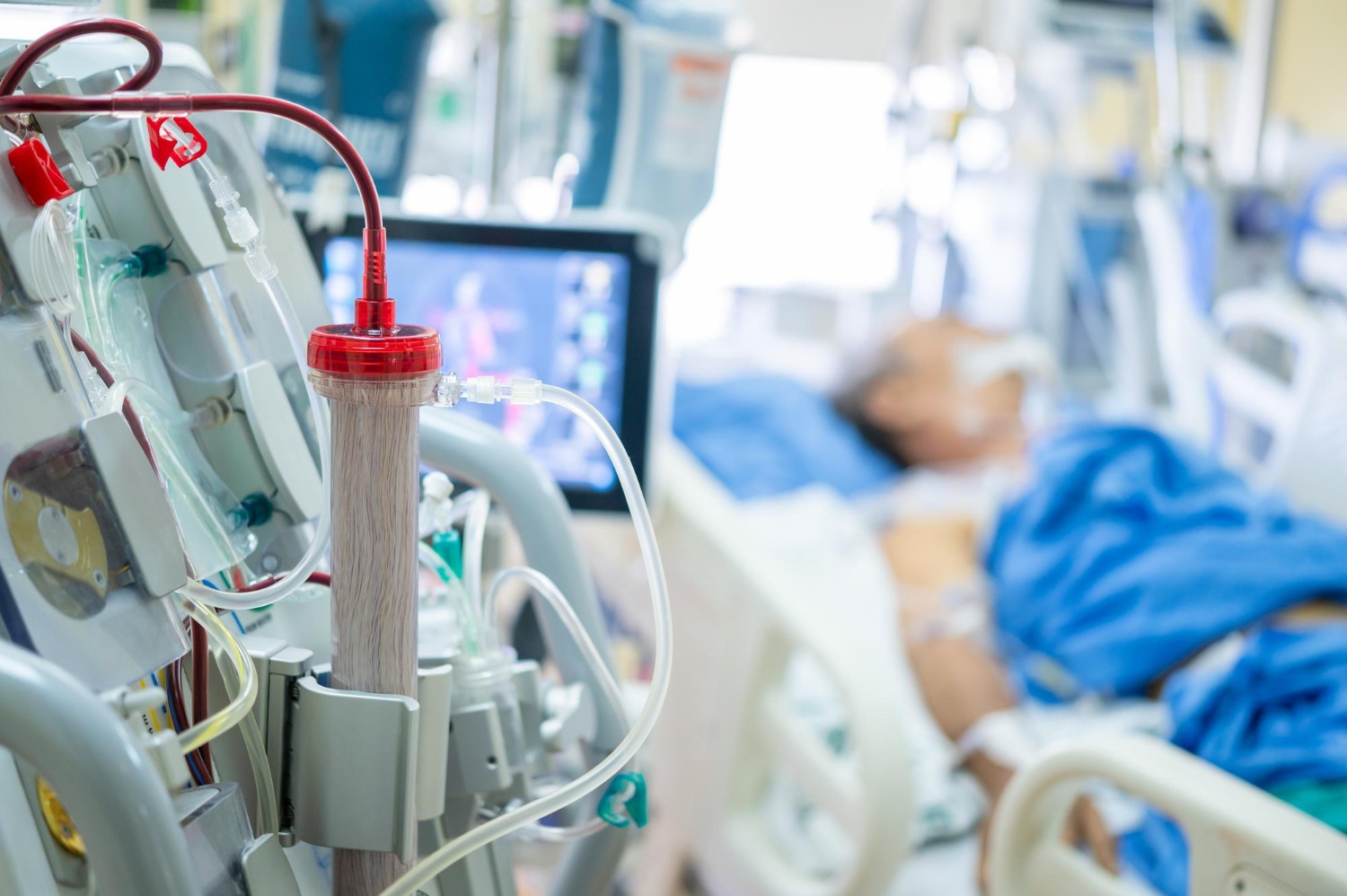
Being advised that dialysis may be needed can raise practical questions about the procedure, treatment schedule, diet, vascular access, and daily life. Dialysis performs some of the functions normally handled by healthy kidneys, particularly removing waste products and excess fluid when kidney function is severely impaired.
For patients and families in Chandigarh, understanding the treatment process can make preparation more manageable.
Why Dialysis May Be Required
Dialysis may be used in advanced chronic kidney disease when kidney function is no longer adequate to maintain the body's internal balance. It can also be required temporarily in some cases of acute kidney injury.
The decision is not based on one laboratory number alone.
Doctors consider kidney function, symptoms, fluid status, electrolyte abnormalities, overall medical condition, and whether complications can be managed adequately without dialysis.
What Happens During Haemodialysis
During haemodialysis, blood travels through a dialysis machine and a specialized filter called a dialyzer before being returned to the body.
Reliable access to the bloodstream is required. Depending on the situation, this may involve an arteriovenous fistula, graft, or dialysis catheter.
A fistula is often planned in advance for patients expected to require long-term haemodialysis because it needs time to mature before use.
How Long Does Treatment Take
The frequency and duration of haemodialysis are individualized, although many patients with established kidney failure require regular sessions each week.
Treatment requirements depend on remaining kidney function, body size, fluid accumulation, laboratory results, diet, and other clinical considerations.
Patients should follow the schedule prescribed by their kidney care team rather than altering sessions based on how well they feel on a particular day.
What Can Happen During Dialysis
Many sessions proceed routinely, but potential problems can occur.
Blood pressure may fall during treatment, and some patients experience cramps, nausea, weakness, headache, or fatigue. Vascular access can also develop infection, clotting, bleeding, or flow-related problems.
Careful monitoring is therefore an important part of dialysis treatment.
Daily Care Still Matters Between Sessions
Dialysis does not replace every kidney function or eliminate the need for ongoing medical management.
Patients may receive individualized advice concerning fluid intake, sodium, potassium, phosphorus, protein, medication, and blood pressure management.
Vascular access also needs protection. Patients with a fistula should follow instructions on checking and caring for the access and should report redness, swelling, unusual pain, bleeding, or changes in the expected vibration.
At The Bliss Hospital, patients requiring hospital-based dialysis support can be assessed and monitored according to their kidney condition and treatment requirements.
For someone preparing for dialysis in Chandigarh, understanding the reason for treatment, access type, session schedule, dietary guidance, medicines, possible complications, and follow-up plan creates a much clearer picture of what ongoing kidney care will involve.
Keywords