Radiation treatment is frequently discussed alongside surgery and cancer medicines, but its purpose can differ substantially from one patient to another. Radiation oncology uses carefully planned ionising radiation to damage cancer cells while limiting exposure to surrounding healthy tissues as much as reasonably possible.
For people receiving cancer care in Chandigarh, understanding the planning process is important because radiation treatment is not simply a matter of directing a machine toward a tumour.
Why Radiation Therapy May Be Recommended
Radiation can have different roles depending on the diagnosis.
It may be used as the primary treatment for certain cancers, before surgery in selected situations, after surgery to reduce the risk of local recurrence, alongside chemotherapy, or to relieve symptoms caused by advanced disease.
The recommendation depends on factors including tumour location, stage, pathology, previous treatment, and the patient's overall health.
Planning Comes Before Treatment
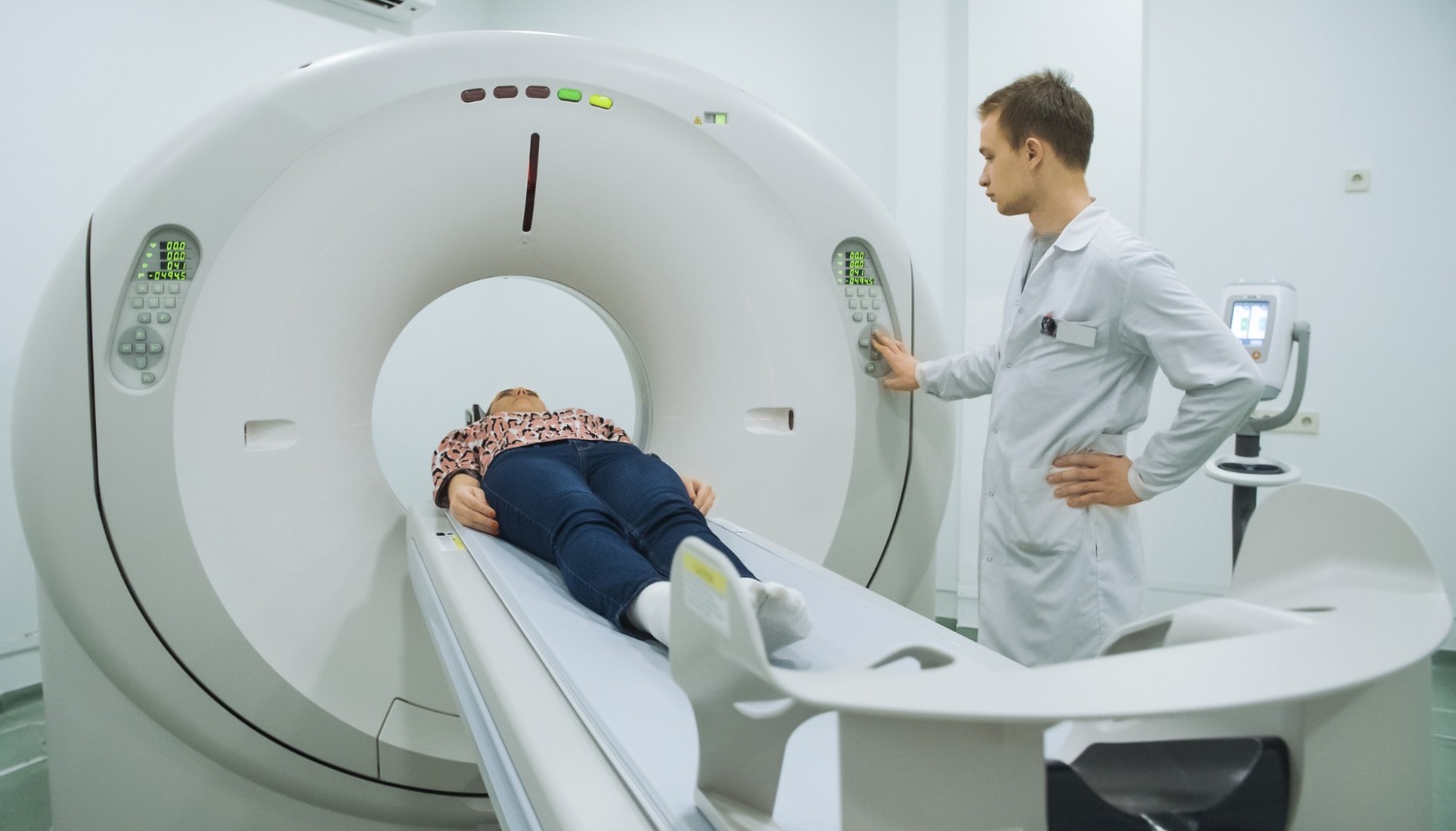
Radiation therapy usually involves a dedicated planning stage.
Imaging is used to identify the area requiring treatment and nearby structures that need protection. The radiation oncology team then determines the treatment field, dose, and schedule.
Positioning is important because treatment needs to be delivered consistently. Immobilisation devices may be used for some body areas to help maintain the required position.
What Happens During Treatment
External beam radiation itself is generally delivered over relatively short treatment sessions, although positioning and preparation can add time to each visit.
Treatment may be given across multiple days or weeks depending on the prescribed regimen. Some conditions use shorter schedules.
Radiation does not feel like heat or an electrical shock while the beam is being delivered. Patients are monitored during treatment, and the team reviews side effects as the course progresses.
Recovery Depends on the Treatment Area
Radiation side effects vary considerably according to which part of the body is treated.
Fatigue can occur during treatment. Skin changes may develop in the treated area. Radiation involving the head and neck can affect swallowing or the mouth, while abdominal or pelvic treatment may cause gastrointestinal or urinary symptoms.
Some side effects improve after treatment finishes, while certain late effects can appear months or years later.
This is one reason follow-up remains important.
What Patients Should Clarify Before Starting
Useful questions include how many sessions are planned, why radiation is recommended, which organs are near the treatment area, which side effects are expected, and whether any symptoms require urgent review.
Patients should also discuss medicines, nutritional concerns, existing health conditions, and previous radiation treatment.
At The Bliss Hospital, patients being considered for oncology treatment can be assessed according to their cancer diagnosis and the role different treatment modalities may have in their overall plan.
For someone preparing for radiation-related care in Chandigarh, understanding the treatment objective and expected schedule can reduce uncertainty. Radiation oncology is highly individualized, and both potential benefit and treatment-related risk should be considered in the context of the specific cancer being treated.
Keywords