
When abdominal pain, pregnancy-related questions, swelling, or certain organ problems need investigation, Ultrasound is frequently one of the first imaging methods considered. It uses high-frequency sound waves to produce images of structures inside the body and does not use ionising radiation.
For patients in Mohali, Punjab, understanding the preparation and limitations of an ultrasound examination can help avoid confusion on the day of the test.
What Can Ultrasound Examine
Ultrasound has a wide range of medical applications.
Depending on the type of examination, it may be used to assess:
- Liver and gallbladder
- Kidneys and urinary tract
- Pelvic organs
- Pregnancy
- Thyroid
- Certain lumps and superficial structures
- Blood flow using Doppler techniques
- Some musculoskeletal structures
Its usefulness depends on the organ being investigated and the clinical question.
Preparation Can Change With the Scan
Not all ultrasound examinations require the same preparation.
For some abdominal scans, patients may be instructed not to eat for several hours. Certain pelvic or urinary examinations may require a comfortably full bladder.
Other ultrasound studies need little or no preparation.
Following the specific instructions provided for the requested scan helps improve the chance of obtaining useful images.
What Happens During the Examination
The patient is positioned according to the area being examined. A water-based gel is placed on the skin, and the sonographer or clinician moves a transducer over the relevant area.
Gentle pressure may be required to visualize deeper structures.
Most routine external ultrasound examinations are completed without significant discomfort, although pressure over an already painful area can feel uncomfortable.
Some clinical questions require internal ultrasound techniques. When such an examination is indicated, the procedure and consent process should be explained beforehand.
Does Ultrasound Require Recovery
Routine external ultrasound generally has no recovery period. Patients can usually resume normal activity immediately after the scan.
The situation can differ when ultrasound is used to guide an invasive procedure, such as certain biopsies or fluid drainage. Recovery instructions then relate primarily to that procedure rather than the ultrasound itself.
Understand the Limitations
Ultrasound is useful, but it cannot visualize every structure equally well.
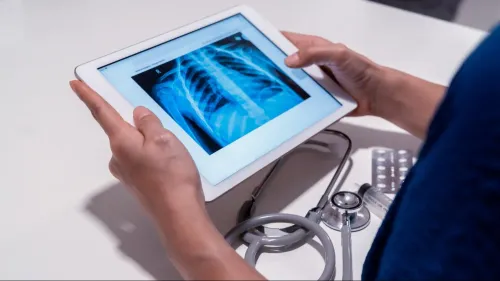
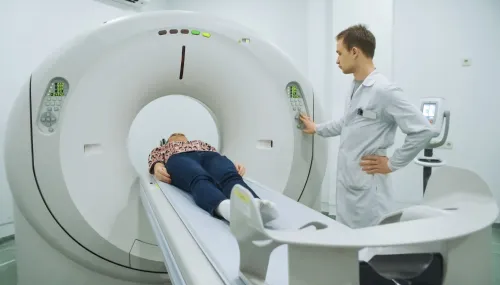
Air and bone can limit sound-wave transmission, and body habitus or the position of internal structures may sometimes affect image quality. Depending on the findings, a doctor may recommend CT, MRI, X-ray, laboratory testing, or another investigation.
The Bliss Hospital can provide diagnostic imaging within a broader hospital-care pathway, allowing imaging results to be considered together with clinical findings when necessary.
For patients arranging an ultrasound in Mohali, choosing the correct study and following preparation instructions are more important than simply requesting a generic scan. A well-selected examination can help answer a focused clinical question, guide further investigation, and support appropriate treatment decisions without exposing the patient to ionising radiation.
Keywords