
Cancer treatment terminology can become confusing quickly, particularly when patients hear about traditional systemic treatment alongside newer therapies. Chemotherapy and immunotherapy are both used in cancer management, but they work differently and are not interchangeable options for every diagnosis.
For patients in Mohali, Punjab, understanding why one treatment may be recommended can help make an oncology consultation more productive.
How Chemotherapy Works
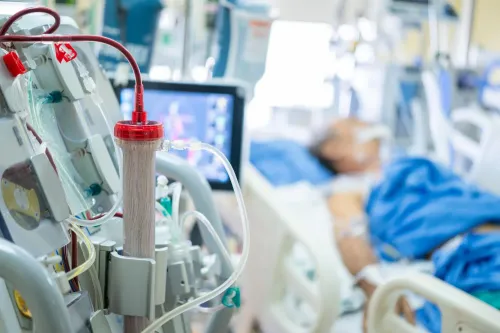
Chemotherapy uses medicines that interfere with the growth and division of cancer cells. Because some healthy cells also divide rapidly, treatment can affect normal tissues as well.
Chemotherapy may be used before surgery to reduce the size of a tumour, after surgery to reduce recurrence risk in selected cancers, alongside radiation, or as the main systemic treatment for certain cancers.
Treatment is often administered in cycles, allowing periods between sessions for recovery.
How Immunotherapy Works
Immunotherapy refers to treatments that help the immune system recognize or attack cancer more effectively.
It has changed the treatment landscape for several cancers, but that does not mean it is suitable for every patient. Eligibility may depend on cancer type, stage, previous treatments, tumour biomarkers, molecular findings, general health, and other clinical factors.
Testing may therefore be required before a particular immunotherapy is considered.
How Doctors Evaluate the Options
Treatment decisions are rarely based simply on choosing the newer therapy.
Oncologists may consider:
- Histopathological diagnosis
- Cancer stage
- Tumour characteristics
- Biomarker results
- Previous treatments
- Kidney and liver function
- General physical condition
- Other medical conditions
- Intended treatment objective
In some situations, chemotherapy and immunotherapy may even be used together.
Side Effects Are Different
Chemotherapy side effects depend on the specific medicines and doses. Possible effects include fatigue, nausea, reduced blood cell counts, infection risk, mouth problems, hair loss with certain drugs, or nerve symptoms.
Not every chemotherapy drug causes the same effects.
Immunotherapy has a different risk profile. Because it changes immune activity, it can sometimes cause the immune system to affect healthy organs. Potential immune-related adverse effects can involve the skin, bowel, liver, lungs, thyroid, and other organs.
Patients receiving immunotherapy should understand which new symptoms need prompt reporting.
What About Recovery Between Treatments
Recovery varies with the treatment regimen.
Some people maintain many normal activities between chemotherapy cycles, while others need greater rest and supportive treatment. Blood tests may be performed before subsequent cycles to determine whether treatment can proceed as planned.
With immunotherapy, patients may feel relatively well between sessions, but side effects can sometimes emerge during treatment or later. Scheduled monitoring therefore remains important even when symptoms appear limited.
At The Bliss Hospital, cancer treatment evaluation can involve reviewing the diagnosis and clinical findings before determining an appropriate systemic treatment approach.
For patients in Mohali, the most useful question is not whether chemotherapy or immunotherapy is universally better. It is which treatment has a clinically supported role for the specific cancer, what benefit is expected, what risks need monitoring, and how response will be assessed.
Keywords