Most parents prepare for feeding schedules, sleep patterns, and taking their baby home. Sometimes, however, a newborn needs closer medical observation or specialized treatment immediately after birth. Neonatology care focuses on newborn babies, particularly those who are premature, have a low birth weight, experience medical complications, or require additional support during the early days of life.
For families in Chandigarh, understanding neonatal care can make an unfamiliar hospital experience easier to navigate.
Why Some Babies Need Neonatal Support
A newborn may require specialist evaluation for many reasons. Premature birth is one of them, but it is not the only reason.
Medical teams may also monitor babies experiencing:
- Breathing difficulties
- Feeding difficulties
- Low birth weight
- Low blood glucose
- Significant jaundice
- Suspected infection
- Temperature instability
- Complications associated with delivery
- Certain congenital conditions
The level of support depends entirely on the baby's condition.
What Happens During Neonatal Assessment
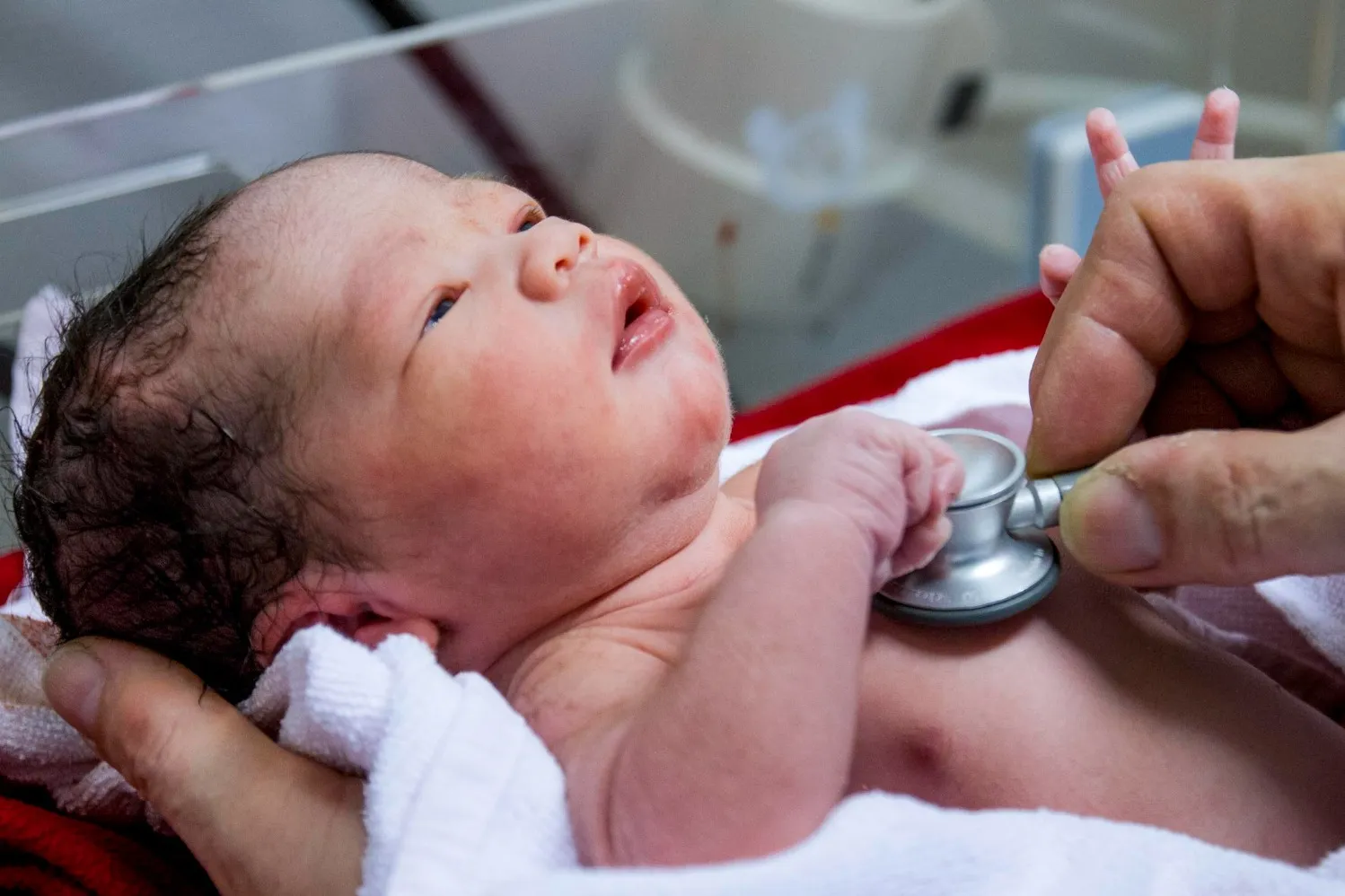
The neonatal team evaluates breathing, heart rate, temperature, feeding, activity, weight, and other clinical indicators. Blood tests, imaging, oxygen monitoring, or additional investigations may be required when clinically indicated.
Treatment is then tailored to the problem identified.
Some babies only require observation. Others may need oxygen or respiratory assistance, intravenous fluids, antibiotics when infection is suspected or confirmed, phototherapy for certain levels of jaundice, or specialized nutritional support.
Feeding Can Be an Important Part of Care
Premature or medically unwell babies may not immediately coordinate sucking, swallowing, and breathing effectively.
Depending on gestational age and medical stability, expressed breast milk or other appropriate nutrition may be given using a feeding tube until the baby can feed safely.
Parents can discuss milk expression, feeding progression, skin-to-skin contact when appropriate, and other aspects of newborn care with the neonatal team.
How Long Does Neonatal Care Last
There is no standard admission duration.
A baby who requires brief observation may stay for a relatively short period. A significantly premature infant can require considerably longer hospital care.
Before discharge, the medical team considers factors such as stable breathing and temperature, adequate feeding, appropriate weight progress, and whether ongoing treatment can safely continue outside the hospital.
Understanding Risks and Follow-Up
Premature and medically vulnerable newborns can face complications involving breathing, infection, feeding, growth, neurological development, vision, hearing, and other areas. Risk varies greatly according to gestational age, birth weight, underlying illness, and clinical progress.
This makes follow-up important even after a baby has become stable enough to go home.
At The Bliss Hospital, neonatology services can form part of coordinated hospital-based care for newborns requiring medical observation and treatment.
For Chandigarh families, neonatal care is not simply about keeping a baby in a specialized unit. Its purpose is to provide the monitoring and medical support required while helping the newborn progress toward safe feeding, physiological stability, growth, and eventual discharge.
Keywords