
Receiving an abnormal scan, biopsy result, or suspected cancer diagnosis can generate many questions at once. Which specialist is needed? Are more tests required? Will treatment involve surgery, medicines, radiation, or a combination?
Oncology care is broader than a single treatment. It can involve diagnosis, cancer staging, treatment planning, symptom management, response assessment, rehabilitation, and follow-up.
For patients and families in Panchkula, Haryana, understanding this pathway can make discussions with the treating team more structured.
Diagnosis Usually Comes Before Treatment Selection
Treatment should be based on a sufficiently established diagnosis rather than on symptoms alone.
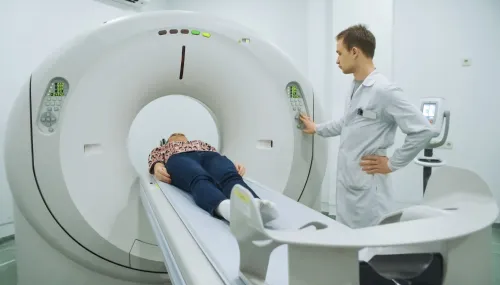
Depending on the suspected cancer, evaluation can include blood investigations, imaging, endoscopy, biopsy, histopathology, and specialized laboratory testing. Once cancer is confirmed, additional assessment may help establish its stage and biological characteristics.
These findings matter because two cancers affecting the same organ may still require different treatment approaches.
Cancer Treatment Can Involve Several Specialties
Modern cancer management frequently requires input from more than one discipline.
A treatment plan may involve:
- Surgical oncology
- Medical oncology
- Radiation oncology
- Pathology
- Radiology
- Nutrition support
- Pain and symptom management
- Rehabilitation
The exact combination depends on cancer type, stage, molecular characteristics where relevant, previous treatment, age, overall health, and individual treatment goals.
Treatment Duration Varies Considerably
There is no universal cancer treatment timeline.
Surgery may be followed by a period of recovery before additional treatment begins. Chemotherapy can be delivered in cycles. Radiation treatment may involve multiple sessions according to a planned schedule. Some systemic treatments continue for longer periods when clinically appropriate.
Patients should ask their oncology team what the proposed sequence means for hospital visits, work, nutrition, physical activity, and daily routines.
Benefits and Risks Need Individual Discussion
The intended benefit of cancer treatment varies. Treatment may aim to eliminate detectable disease, reduce recurrence risk, control cancer progression, relieve symptoms, or improve quality of life depending on the clinical situation.
Each treatment also carries potential adverse effects.
Surgery has procedural and anaesthetic risks. Systemic cancer medicines may affect blood counts, digestion, energy levels, skin, nerves, or other organs depending on the drug. Radiation-related effects depend largely on the area treated and dose delivered.
Side effects are therefore better discussed treatment by treatment rather than treated as one universal list.
Follow Up Remains Part of Oncology Care
Completing an active treatment phase does not necessarily end oncology care.
Follow-up may assess treatment response, recovery from side effects, nutritional status, functional ability, and symptoms that need further investigation. The timing and type of surveillance depend on the cancer involved and the treatment received.
At The Bliss Hospital, oncology-related hospital care can support patients through assessment and treatment planning according to their individual diagnosis.
For families navigating cancer care in Panchkula, asking for a clear explanation of the diagnosis, stage, treatment objective, expected duration, potential adverse effects, and follow-up plan can make complex medical decisions easier to understand.
Keywords