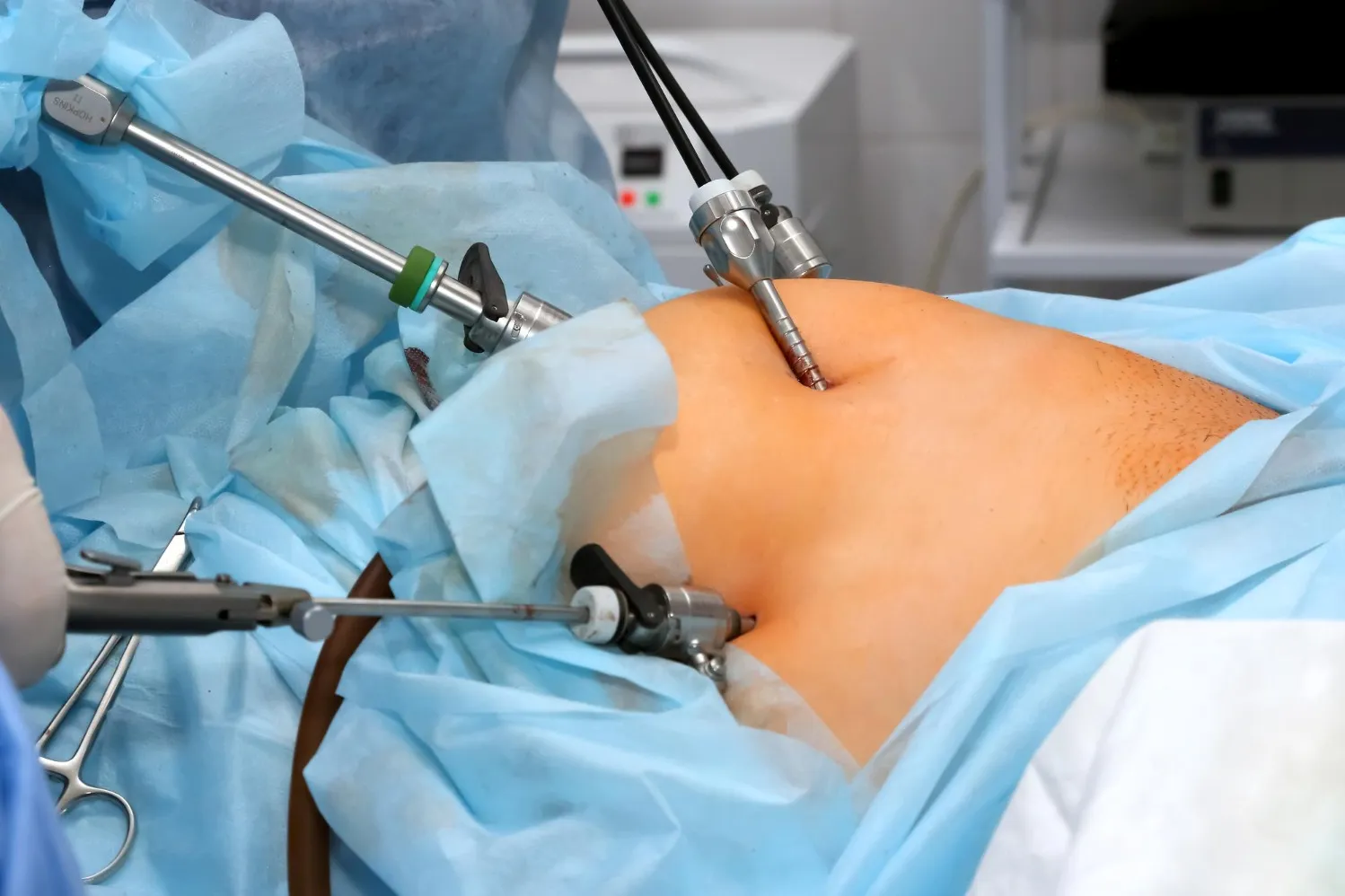
Surgery does not always require a large incision. For many abdominal and pelvic conditions, Laparoscopic Surgery may allow a surgeon to perform the required procedure through several small incisions using specialized instruments and a camera. Whether this approach is appropriate, however, depends on the diagnosis, the type of operation required, previous surgeries, overall health, and the surgeon's clinical assessment.
For patients in Panchkula, Haryana, understanding what happens before, during, and after laparoscopic surgery can make preparation easier and expectations more realistic.
How Laparoscopic Surgery Is Performed
During laparoscopic surgery, the surgeon usually creates small incisions in the abdomen. A laparoscope, which is a thin instrument containing a camera, provides a magnified view of the operative area on a monitor. Additional instruments are introduced through other small incisions to perform the procedure.
The exact steps differ considerably depending on whether the operation involves the gallbladder, appendix, hernia, gastrointestinal tract, or another condition.
General anaesthesia is commonly required, so patients undergo preoperative evaluation before surgery.
Preparing for the Procedure
Preparation may include blood investigations, imaging, anaesthesia assessment, medication review, and instructions about eating and drinking before surgery.
Patients should tell the medical team about:
- Regular prescription medicines
- Blood-thinning medication
- Diabetes treatment
- Previous operations
- Medication allergies
- Heart or respiratory conditions
- Previous problems with anaesthesia
Some medicines may need adjustment before an operation, but they should not be stopped without medical guidance.
What Recovery Can Look Like
One potential advantage of minimally invasive surgery is that smaller incisions may support a shorter recovery for appropriately selected procedures compared with conventional open surgery.
Recovery still varies substantially.
Some patients may leave the hospital relatively quickly after uncomplicated procedures, while others require longer observation or admission. Mild incision discomfort, tiredness, abdominal bloating, and temporary shoulder discomfort related to the gas used during laparoscopy can occur.
Patients are generally encouraged to gradually resume movement according to their surgical team's instructions. Returning to driving, exercise, work, and lifting heavy objects depends on the operation and individual recovery.
Benefits Need to Be Considered Alongside Risks
Potential benefits of laparoscopic techniques can include smaller incisions, reduced postoperative discomfort in some procedures, less visible scarring, and potentially quicker return to normal activities.
It is still surgery and carries risks.
Possible complications include bleeding, infection, anaesthesia-related problems, blood clots, injury to surrounding organs, and complications specific to the operation being performed. Occasionally, a laparoscopic procedure may need to be converted to open surgery when the surgeon determines that this is safer or technically necessary.
Ask What Applies to Your Specific Operation
A useful surgical consultation should answer more than whether an operation is required. Patients can ask why a particular surgical technique is recommended, how long admission may be, what restrictions apply afterward, and which symptoms require medical attention.
At The Bliss Hospital, patients being evaluated for surgical care can undergo clinical assessment to determine the approach appropriate to their condition.
For someone considering laparoscopic treatment in Panchkula, the most useful starting point is an accurate diagnosis and a procedure-specific discussion rather than assuming that every condition can be treated through minimally invasive surgery.
Keywords